If a door jams at midnight outside a retail store in Orlando, you need someone who shows up fast and knows commercial hardware like the back of their hand. I will walk through real-world considerations for an emergency locksmith response, including tools, common failure modes, and how to protect your business while a technician works.
Signs you need a 24 hour locksmith
When a tenant calls after hours, the first thing I do is size up risk and access needs. A good locksmith will tell you an honest ETA and describe whether they carry the specific parts and tools for your hardware. Expect questions about the building, the door type, and whether there is an on-site key or an alarm integration.
Always confirm that the locksmith service carries liability insurance and asks for employee ID before work begins. Insurance matters because a mistake on-site can mean property damage, and identification protects against social engineering risks.
Failures I see most often at office doors
High-traffic door closers and latch assemblies will often show failure after a few years of service. When a latch jams, the solution may be as small as a strike plate adjustment or as involved as replacing the whole lockset. Electric strikes and magnetic locks create different trouble because they involve wiring and control panels.
Exit devices are mechanical systems that suffer when the door settles or when maintenance is neglected. Always have a locksmith who can certify that panic devices meet egress requirements after repair.
What a true emergency locksmith does on arrival
On arrival, the technician should confirm they are https://doorlockfddu465.tearosediner.net/affordable-locksmith-phone-number speaking with an authorized representative and record contact details. If authorization cannot be confirmed, the locksmith should refuse to proceed or ask for additional verification steps. The technician will check if forced entry risks sensitive areas, if cameras are present, and whether alarms should be temporarily bypassed.
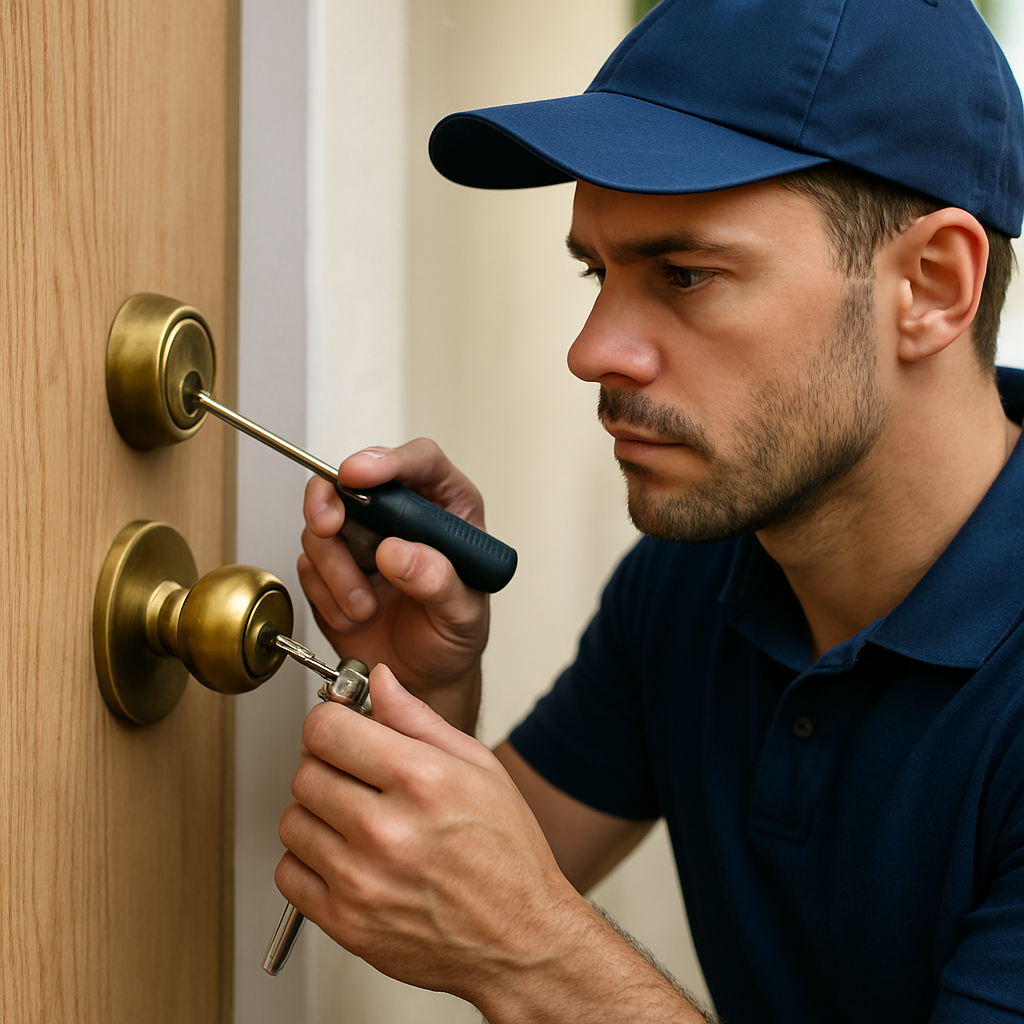
I almost always try lock picking, bypass tools, or decoding before recommending hardware replacement. If a non-destructive approach fails, the locksmith will discuss options such as cylinder replacement or door removal.
Questions to ask when you call a prospective service
A responsible company will give you an ETA, explain what equipment the technician carries, and state whether they handle access control systems. Request proof of insurance and ask whether the tech is background checked and bonded. Good companies will also give a preliminary price range for common emergency jobs.
A tech who routinely works on office buildings will understand fire egress, ADA considerations, and master key systems. A local service that keeps common commercial parts reduces downtime.
How to minimize business interruption during an emergency fix
If a glass door lock breaks, a locksmith can add a temporary bar or plate to secure the opening until a replacement is installed. Replacing a cylinder or installing a temporary core can get staff back inside without compromising other locks. If access control is tied to an alarm, the technician should notify the monitoring company before making changes.
Documentation matters, and a good locksmith will provide a written report and photos if damage occurred. Regular inspections of closers, strikes, and cylinders can extend hardware life and reduce emergency calls.
Costs and trade-offs for after-hours commercial service
Emergency calls outside business hours typically carry a surcharge, but the company should quote that fee up front. The right choice depends on the business impact of downtime and the complexity of the repair. Some companies quote a labor-only fee and then add parts costs, and you should know which model the provider uses.
For recurring issues, consider a service contract that covers after-hours priority response. Weigh the cost of a contract against historical emergency incidents to see if it pays for itself.
Real anecdotes and lessons learned on-call
I once arrived at a downtown suite where the deadbolt spun freely because the knob assembly had sheared and hidden screws were corroded. Diagnosing the root cause first saved my client both money and days of downtime. A metal plate held the opening safe and allowed the retail store to reopen the next morning with limited disruption.
Having a spare core or an extra key for the main entrance avoided a 3-hour forced-entry job at a small clinic. Coordinating with facilities staff prevents accidental lockouts or alarm trips during locksmith work.
Which investments stop most after-hours lock issues
Upgrading to high-cycle rated hardware and maintaining it annually cuts emergency calls by a noticeable margin. Consider access control that gives you remote release capability and audit trails for after-hours access. A simple key-control policy and approval workflow drastically reduce unauthorized entry attempts.
Look for technicians who discuss long-term reliability and warranty on parts and labor. The right provider not only fixes what is broken but builds a plan to reduce repeat problems.
Immediate steps to take during a business lock emergency
First, verify who is requesting access and gather any available building authorization before calling a locksmith. Second, call a reputable local service and ask about ETA, insurance, and whether they handle commercial hardware. Third, if the failure involves alarms or access control, notify your alarm company and facilities staff to coordinate the response.
Contracts typically give you both discounts on emergency calls and a known technician who understands your site. If you do not yet have a vendor, choose a company with commercial references, proper insurance, and transparent pricing.
Finally, after the immediate issue is solved, schedule follow-up maintenance and consider upgrades that reduce repeat incidents. Protecting access is as much about foresight as it is about speed.